

By Omid Souresrafil
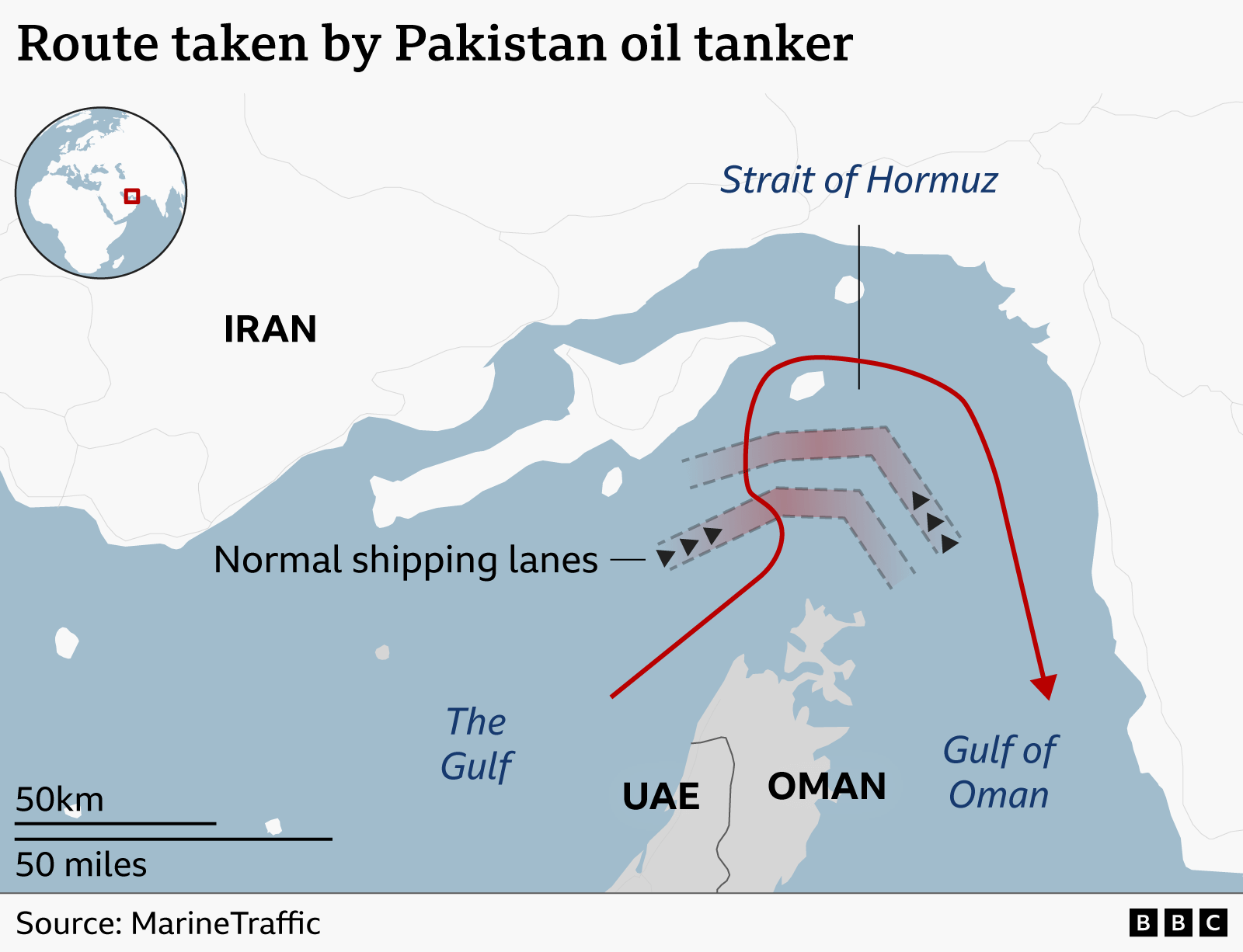
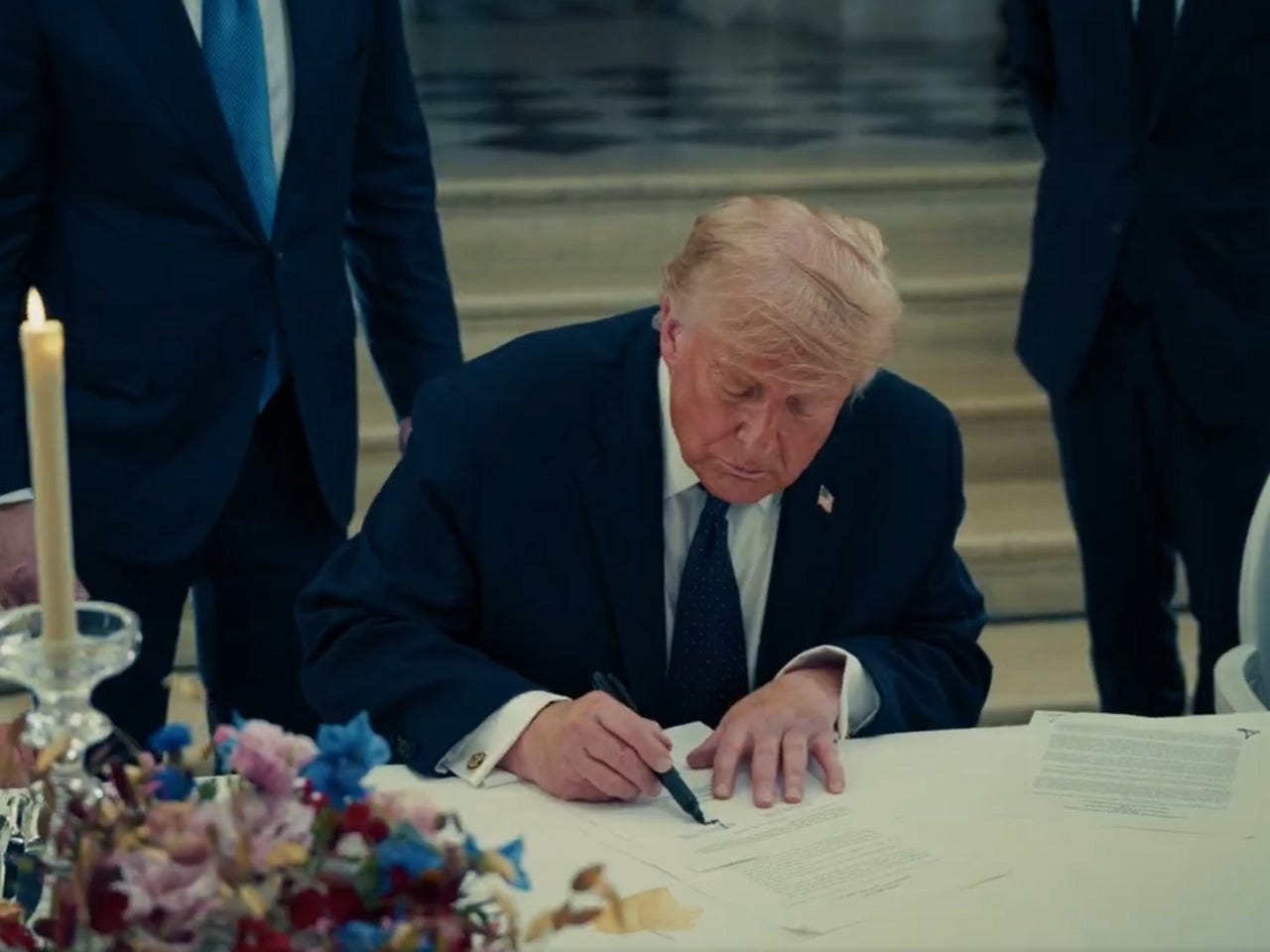
The news broke with familiar cynicism. On June 17, 2026, President Donald Trump and Iranian President Masoud Pezeshkian signed a 14-point Memorandum of Understanding — Trump at a Versailles dinner with Emmanuel Macron, Pezeshkian remotely in Tehran. Eight days later, a Singapore-flagged cargo ship, the M/V Ever Lovely, was allegedly hit by an Iranian one-way attack drone while exiting the Strait of Hormuz along the Omani coast. On June 26, U.S. Central Command announced airstrikes on Iranian missile and drone storage sites and coastal radar installations.
The CENTCOM release declared Iran’s action “clearly violated the ceasefire” and “undermined freedom of navigation.” The U.S. military, it said, remains “present and vigilant to ensure all aspects of the agreement with Iran are adhered to, obeyed, and in full force and effect.”
The United States bombs Iranian territory days after signing a deal declaring the “immediate and permanent termination of military operations” and committing both sides to refrain from threats or use of force. This is not diplomacy. It is a bad joke delivered by actors who never intended to honor their word.
What the MOU Actually Promised
The document was a detailed 14-point framework. Point 1 called for the immediate and permanent end of military operations across all fronts, including Lebanon, with commitments against initiating war or using force. Point 4 required the U.S. to lift its naval blockade within 30 days. Point 5 obligated Iran to guarantee safe, toll-free passage for commercial vessels through the Strait of Hormuz for 60 days. Additional points outlined a $300 billion reconstruction fund, phased termination of sanctions, immediate oil export waivers, release of frozen assets, maintenance of nuclear status quo during talks, and a path to a final UN Security Council-endorsed deal.
It represented the most significant de-escalation effort since the 2015 JCPOA. Yet it collapsed in under two weeks amid renewed U.S. strikes.
The United States Has Never Intended to Keep Agreements with Iran
History repeats. The 2015 JCPOA was verified by the IAEA as effective until Trump unilaterally withdrew in 2018, launching “maximum pressure” that contributed to the current conflict. Sanctions, the Soleimani assassination, sabotage, and eventual war followed promises of a “better deal.”
U.S. officials lecture on contract sanctity while routinely abandoning agreements with Iran when politics or external pressure shifts. The Versailles MOU was always fragile — a face-saving measure after a war that exposed limits of U.S. and Israeli power. Iran demonstrated resilience in Hormuz disruptions, missile capabilities, and cost imposition. The MOU served as a tactical pause, not a strategic pivot.
Netanyahu Will Not Let Trump Stop
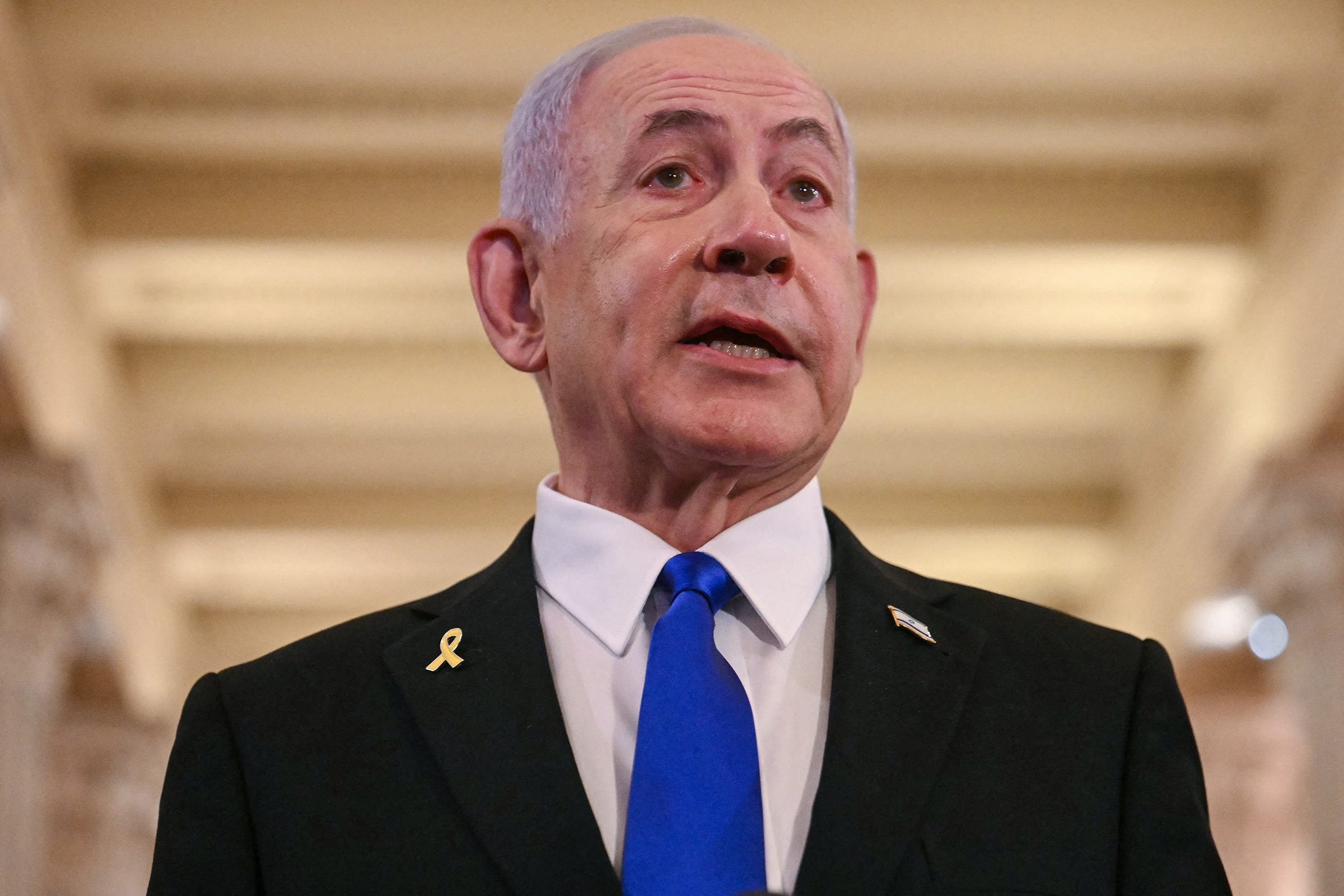
Netanyahu has long framed any engagement with Iran as surrender. Opposition to the JCPOA, relentless sanctions advocacy, and insistence on confrontation define his approach. The June MOU was criticized in Israel as a nightmare. Caught between a U.S. administration seeking market stability and his own coalition’s need for perpetual conflict, Netanyahu’s influence prevailed.
The pattern is entrenched. Israeli preferences shape U.S. policy through lobbying and political pressure. The June 26 strikes provided the pretext to undermine the ceasefire, signaling that no stable agreement will be tolerated. Netanyahu ensures escalation continues.
What the Experts Are Saying
Col. Douglas Macgregor has highlighted the strategic costs: depleted stocks, damaged credibility, and accelerated multipolarity. Alastair Crooke analyzes managed instability as core to Israeli strategy, with the U.S. entangled. Scott Ritter stresses the manufactured nature of the nuclear threat narrative and persistent bad faith. Col. Lawrence Wilkerson details how the Israel lobby distorts policy. Larry Johnson examines information operations and selective pretexts around Hormuz incidents. Pepe Escobar frames these events as hastening U.S. hegemonic decline and strengthening multipolar ties for Iran.
Their consensus: the MOU was never designed to bind those truly directing events.
The Joke Is on Everyone Who Believed It
CENTCOM claims enforcement while demonstrating U.S. exemption from the agreement’s terms. Safe passage is demanded of Iran even as strikes resume. Sanctions relief and funds remain hostage to Israeli approval. The MOU exposed the gap between signed paper and operational reality in a system where one client retains de facto veto power.
U.S. policy assumes Iran must remain an adversary regardless of presidential signatures. The June 26 strikes confirmed that Versailles theater changes nothing fundamental. Agreements remain temporary pauses in a conflict the dominant side refuses to end.
Iran Will Retaliate Massively — and Trump Will Lose
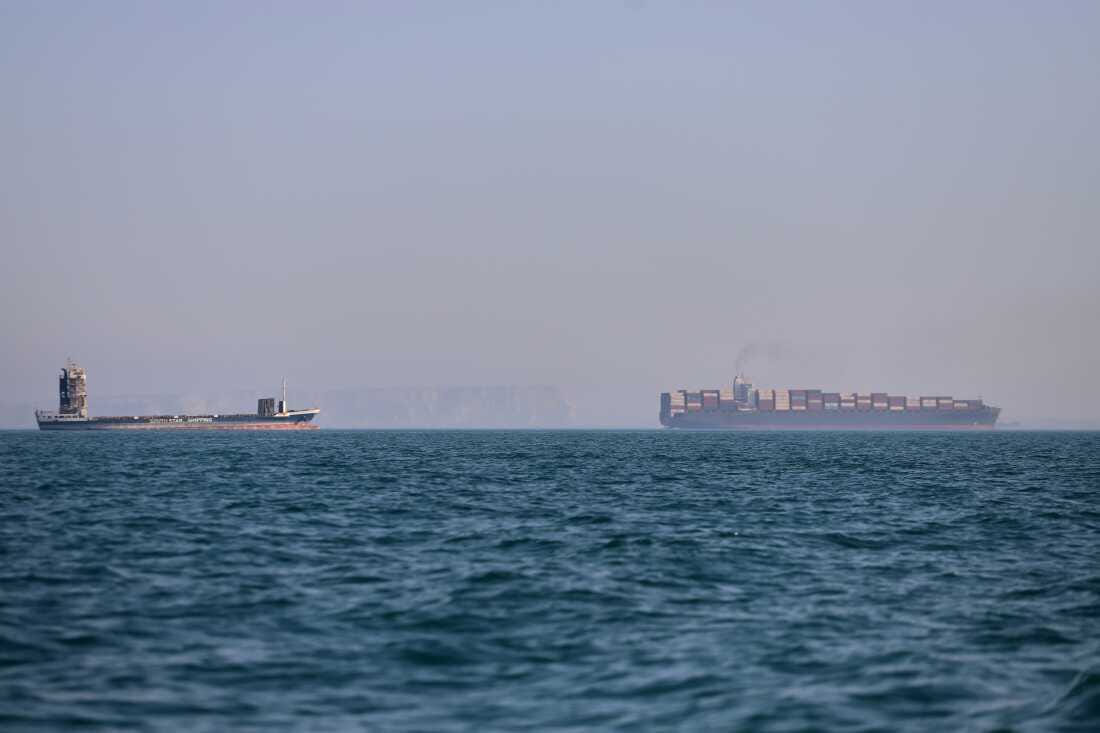
Iran possesses a proven asymmetric toolkit honed over decades of pressure. The MOU was a tactical interlude, not peace. Retaliation will be calibrated yet significant, escalating the ladder deliberately. Expanded operations against commercial shipping in the Strait of Hormuz — using advanced drones, ballistic and cruise missiles, and mining — will render transit costly and risky. Insurance markets will react sharply. Energy infrastructure across the Gulf, U.S. bases, and Israeli targets enter the equation under doctrines of proportional response. Cyber actions targeting financial and logistical networks will intensify, with proxy networks receiving enhanced coordination.
Pepe Escobar has long noted how U.S. missteps accelerate multipolar realignments, embedding Iran deeper with China, Russia, and BRICS economies that bypass sanctions. Col. Douglas Macgregor warns of unsustainable burdens on U.S. readiness and alliances. Scott Ritter and Larry Johnson document Iran’s resilient capabilities in imposing disproportionate costs. Alastair Crooke and Col. Lawrence Wilkerson illuminate how Israeli-driven policies trap Washington in self-defeating cycles.
For Trump, consequences mount rapidly. Surging oil prices undermine economic messaging. Global partners lose faith in U.S. commitments. Domestic war fatigue resurfaces, eroding political capital. Netanyahu’s insistence on escalation may yield short-term gains in Israel but courts wider regional conflagration, further isolating allies and exhausting American resources. A president who promised to end endless wars appears captive to the same lobbies and interests he once challenged.
The United States lacks viable pathways to victory in sustained confrontation with Iran on politically sustainable terms. Iran will escalate because restraint invites further bad-faith actions, while demonstrated costs deter repetition. Trump loses as military overreach collides with economic realities, international skepticism, and domestic backlash. Empire tools blunt against resilient actors integrated into alternative orders.
The Versailles exercise revealed the emptiness of American assurances. Iran will impose the necessary price. Escalation follows. The reckoning arrives for policies built on perpetual conflict rather than realistic accommodation.

